Why Cash Is Becoming a Backup Plan Again
Sweden’s central bank recommends several payment methods and a cash benchmark. This is attributed preparedness advice, not a cash-only rule for Europe.
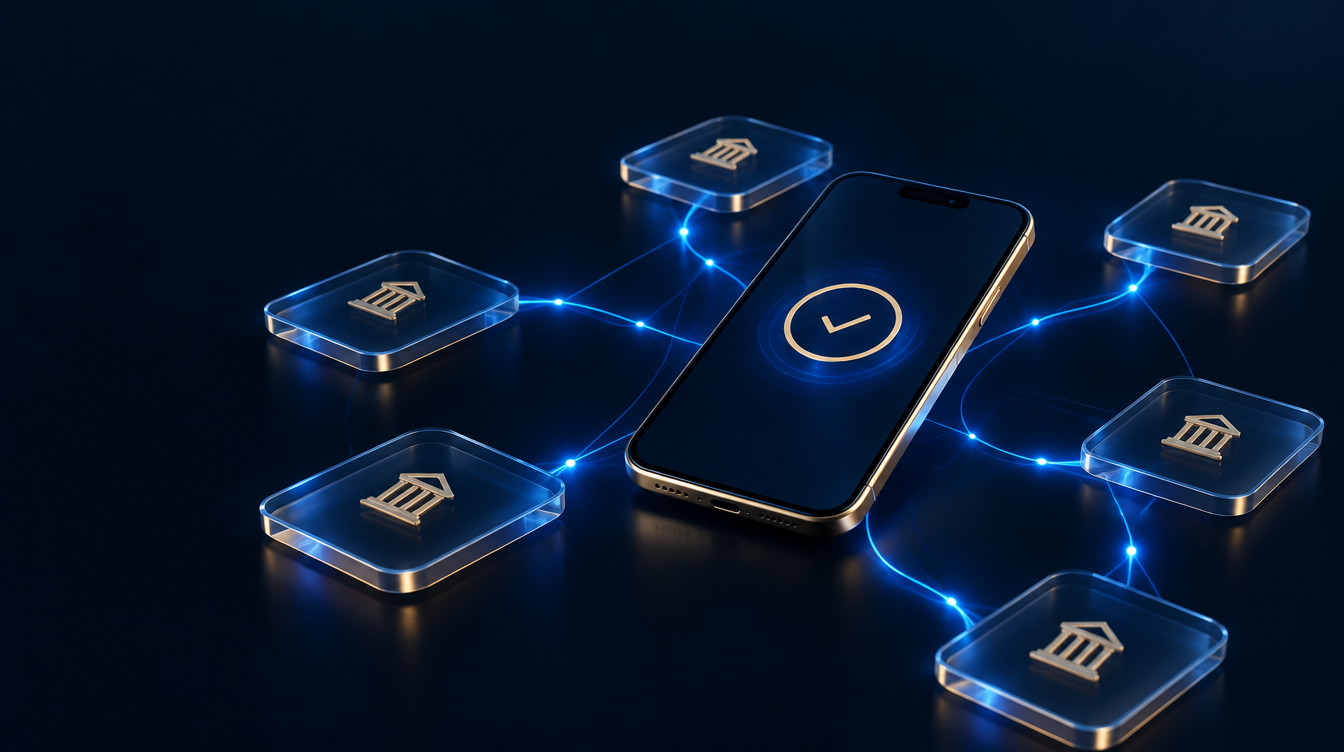
A phone is an excellent way to pay until the phone, the network or the service behind it stops cooperating. That does not make digital payments a mistake. It makes dependence on one route a resilience question. In Sweden, the central bank has turned that question into practical household guidance: keep several ways to pay, including some cash.
The Riksbank's 4 March 2026 announcement recommends multiple payment methods for disruptions, crises or war. Its cash benchmark is about SEK 1,000 per adult, with amounts adapted to circumstances. This is Swedish preparedness advice, not an all-Europe legal requirement and not a prediction that an imminent collapse is inevitable.
A backup is different from a replacement
The Riksbank's recommendations to the general public include cards from different card networks, a mobile payment service such as Swish, physical cards and remembered PINs, alongside cash. The message is diversification. It is not “abandon digital payments” or “cash works in every possible emergency”.
A hypothetical shopper normally uses a phone wallet. If the phone battery is empty, a physical card may solve the immediate problem. If a particular card network is affected, a card on another network may help. If electronic acceptance is disrupted, cash may offer a different route, where the merchant can accept it. These scenarios explain the value of alternatives; they do not guarantee that any particular backup will work during every incident.
The important property is independence from the failed route. Several payment apps on the same phone may still depend on that phone being powered and connected. Several cards may share parts of the infrastructure. Cash has different dependencies, including obtaining it and finding acceptance. Counting icons is less useful than understanding what could make those icons unavailable together.
What SEK 1,000 means
The Riksbank frames approximately SEK 1,000 per adult as a benchmark. Its guidance says a household may need more or less depending on circumstances, and even a smaller amount can help. Mixed denominations are part of the practical advice. The figure should not be presented as a universal household calculation or an amount every Swedish resident is legally required to hold.
The 2026 Payments Report's household recommendation places the benchmark within a broader resilience strategy. It is not a savings target, an investment recommendation or a declaration that all expenses can be covered with that exact sum for a fixed period.
For readers outside Sweden, the useful lesson is the structure of the advice rather than importing the number unchanged. Local prices, currency, household needs and payment acceptance differ. This article reports the Swedish benchmark with its attribution and does not convert it into another country's official recommendation. Preparedness advice becomes less trustworthy when a specific national figure is detached from the authority and context that produced it.
Cash has dependencies too
Cash can work without the consumer's phone or an online account interface. It still needs to be available before it is useful. An empty cash machine, inaccessible withdrawal service or lack of suitable denominations can limit its value. The merchant must also be able and willing to accept it under the applicable circumstances. A banknote does not remove every operational problem at a shop.
The Riksbank's wider discussion recognises the need for cash services and acceptance. Its Payments Report 2026 announcement links vulnerability and inclusion in the payments market. Household preparedness therefore depends partly on systems beyond the household's control.
A hypothetical family can follow the cash benchmark and still encounter a merchant that cannot take the notes or give change. That does not make the benchmark pointless. It demonstrates why denominations, acceptance and access matter alongside the headline amount. A backup plan should be evaluated as a working sequence, not an object stored in a drawer and assumed to solve everything.
Physical cards still need practical readiness
The advice about physical cards and PINs is easy to overlook in a phone-first payment routine. A person may have a card but rarely use it directly. If they cannot recall its PIN, or the card is not accessible when needed, possession alone may not provide a useful alternative. The Riksbank's guidance is about usable methods rather than theoretical availability.
Different card networks can also reduce reliance on one route, but the recommendation should not be turned into a promise that every pair of cards is fully independent. Issuers, processors and merchants can share dependencies. The central bank's suggestion supports diversification; it does not certify a particular household's combination against all outages.
This is OLECH analysis of the practical distinction. A resilient payment routine involves knowing what each method requires: a device, connectivity, a PIN, a merchant terminal or available change. It also involves recognising where the alternatives overlap. That understanding is more durable than a claim that one technology is always superior.
Preparedness and inclusion meet
The full Payments Report 2026, published in March, examines payment habits, infrastructure and accessibility alongside safety and efficiency. The issue is not limited to exceptional disruption. People without suitable accounts, devices or digital skills can face payment barriers during ordinary life too.
A cash route that remains available can help some people in everyday circumstances as well as during disruption. That does not mean all people prefer cash or that digital services should stop improving. Inclusion can require several workable methods because users' circumstances differ. A system optimised for the most connected user may leave other people with fewer practical options.
The same diversity has resilience value. If ordinary commerce maintains more than one way to pay, alternatives are more likely to be familiar and usable when needed. This is an analytical connection between the report's themes, not a quantified claim that a particular measure prevents a given percentage of failures. The sources do not support inventing such a statistic.
Preparedness also includes the household’s ability to coordinate. If one person normally manages payments, other adults may not know which backup is available or where a physical card is kept. This hypothetical situation does not require a new technology to solve; it requires shared understanding of the existing options. The point is not to share confidential account credentials, but to avoid a plan that only one person can operate.
Normal use can reveal the weak link
The Riksbank encourages people to use cash regularly, rather than treating it only as an unfamiliar emergency tool. More broadly, occasional use of a backup can show whether it is operational: the card works, the PIN is known, the notes are suitable and nearby acceptance exists. Those checks are about readiness, not a personalised instruction to keep a large amount of cash at home.
The story is therefore not a dramatic return to cash-only life. It is a shift from convenience alone to convenience with alternatives. Sweden's central bank has made that shift concrete through a non-binding benchmark and several complementary methods. Cash is becoming a backup plan again because one elegant payment route is still one route. The practical goal is not to predict failure; it is to avoid having no usable way to pay when one method fails.
Sources - Riksbank preparedness announcement, 4 March 2026 - Riksbank recommendations to the general public - Payments Report 2026: household payment-method recommendation - Full Payments Report 2026 - Riksbank 2026 report announcement
- #cash
- #Sweden
- #resilience